
Primary SEO Keyword: Pharmaceutical Products
Secondary Keywords: healthcare products, quality medicines, pharmaceutical company, medicine safety, healthcare solutions, pharmaceutical industry
Meta Description: Discover how pharmaceutical products support better health, why medicine quality matters, and what consumers should know when choosing safe and reliable healthcare products.
Introduction
Good health starts with access to the right healthcare products at the right time.
From everyday medicines to specialized treatments, pharmaceutical products play an important role in preventing, managing, and treating many health conditions. But choosing a medicine is not simply about finding a product that promises results. Quality, safety, proper storage, reliable manufacturing, and professional medical guidance all matter.
For patients and families, this can sometimes feel confusing. There are countless products available, different brands, different formulations, and a huge amount of health information online.
That is why understanding pharmaceutical products has become more important than ever.
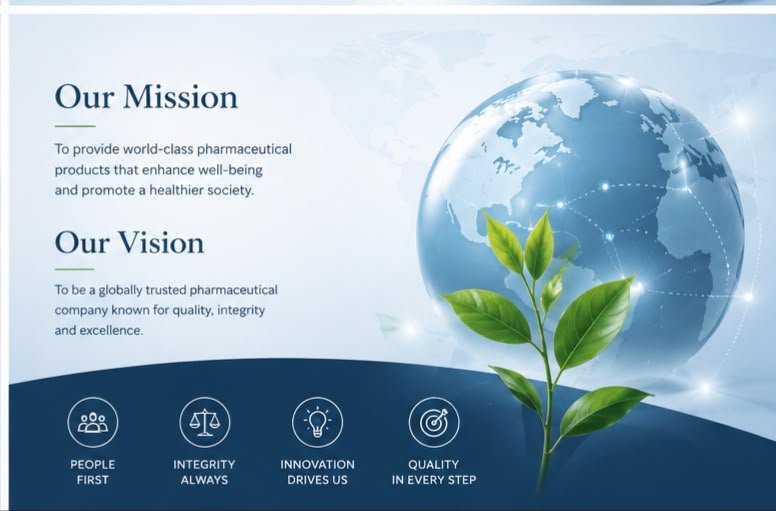
At VANSH PHARMACEUTICALS, the broader goal of pharmaceutical healthcare is simple: support better health through products and practices that put quality, safety, and patient well-being first.
What Are Pharmaceutical Products?
Pharmaceutical products are medicinal products developed and manufactured for the prevention, diagnosis, treatment, or management of health conditions.
They can come in many forms, including:
- Tablets and capsules
- Syrups and oral liquids
- Creams, gels, and ointments
- Injections
- Powders and granules
- Eye and ear preparations
- Certain specialized medical formulations
Different pharmaceutical products are designed for different purposes. Some may help manage symptoms, while others are intended to treat an underlying condition.
The important point is that medicines are healthcare products—not ordinary consumer goods. Their quality and proper use can directly affect a person’s health.
The World Health Organization emphasizes that pharmaceutical quality assurance covers areas such as development, manufacturing, quality control, distribution, and post-market monitoring. (World Health Organization)

Why Quality Matters in Pharmaceutical Products
When you purchase a healthcare product, you naturally expect it to be safe and effective.
That expectation makes quality control extremely important.
A quality pharmaceutical product should be manufactured and controlled according to appropriate standards for its intended use. Good Manufacturing Practices, commonly called GMP, are designed to help ensure that medicinal products are consistently produced and controlled to appropriate quality standards. (World Health Organization)
Quality can involve many stages, including:
- Selection and testing of raw materials
- Manufacturing processes
- Quality control testing
- Packaging and labelling
- Storage conditions
- Transportation
- Distribution
- Monitoring after products reach the market
This means pharmaceutical quality isn’t created at just one point in the process. It is built through multiple checks and controls.
Pharmaceutical Products and Patient Safety
Patient safety should always be at the center of healthcare.
A medicine that is incorrectly manufactured, stored, labelled, or distributed can create serious risks. The WHO notes that substandard and falsified medical products can result in treatment failure and other health risks. (World Health Organization)
For consumers, this is one reason it is important to purchase medicines from legitimate and reliable sources.
When selecting pharmaceutical products, consider:
- The product’s name and formulation
- Manufacturer information
- Batch or lot information
- Manufacturing and expiry dates
- Packaging condition
- Storage instructions
- Directions provided by a healthcare professional
- Whether the product comes from a legitimate source
If packaging looks damaged, altered, or suspicious, it is better to seek advice from a pharmacist or healthcare professional before using the product.
Understanding the Pharmaceutical Manufacturing Process
Ever wondered what happens before a pharmaceutical product reaches a pharmacy?
The process can involve several important stages.
1. Product Development
The process begins with research, formulation development, and evaluation of the intended product.
Scientists and pharmaceutical professionals work to develop a formulation that meets the required specifications.
2. Raw Material Selection
The quality of ingredients and other materials used in production is important.
Materials may undergo testing and quality checks before they are used in manufacturing.
3. Manufacturing
The product is manufactured under controlled conditions.
Depending on the formulation, this could involve processes such as blending, granulation, compression, filling, coating, or other specialized procedures.
4. Quality Control
Samples and materials can be evaluated against established specifications.
Quality control helps identify problems before products move further through the supply chain.
5. Packaging and Labelling
Packaging protects the product and provides important information.
Labels may communicate information such as dosage instructions, storage requirements, batch details, and expiry information.
6. Distribution
After appropriate quality checks and release procedures, products move through the distribution system.
Proper storage and transportation remain important during this stage.
The WHO describes pharmaceutical production as covering operations from receipt of materials through processing, packaging, labelling, and completion of the finished product. (World Health Organization)
A Simple View of Pharmaceutical Product Quality
Think of pharmaceutical quality as a chain.
If each link is handled properly, the overall system becomes stronger.
The chart above is illustrative, rather than a measurement of industry performance. It simply shows how multiple stages can contribute to maintaining pharmaceutical product quality.
How Consumers Can Choose Pharmaceutical Products Responsibly
With so many healthcare products available, consumers should avoid making decisions based only on advertisements or online claims.
A few simple habits can make a difference.
Buy From Reliable Sources
Purchase medicines through legitimate pharmacies, healthcare providers, or authorized channels.
The WHO warns that substandard and falsified medical products can enter supply chains, including through unauthorized online sources. (World Health Organization)
Check the Packaging
Before using a medicine, look at the packaging.
Check for:
- Product name
- Manufacturer details
- Batch number
- Expiry date
- Instructions
- Storage information
- Signs of damage or tampering
Follow Professional Advice
Not every medicine is appropriate for every person.
A healthcare professional can help determine whether a particular product is suitable and explain how it should be used.
Avoid changing a prescribed dose or stopping a prescribed medicine simply because you read something online.
Store Medicines Correctly
Storage instructions are there for a reason.
Some medicines may require protection from heat, moisture, or direct sunlight. Others may have specific temperature requirements.
Always follow the storage instructions on the packaging or those provided by your pharmacist.
Pharmaceutical Products Are More Than Medicines
The pharmaceutical and healthcare industry is much broader than simply producing tablets or capsules.
Modern healthcare involves a wide range of products and services designed to support prevention, diagnosis, treatment, and ongoing care.
Depending on the company and its area of specialization, pharmaceutical healthcare can include:
- Prescription medicines
- Generic medicines
- Over-the-counter healthcare products
- Specialized formulations
- Preventive healthcare products
- Medical and diagnostic products
- Health and wellness solutions
The WHO’s health-product standards cover areas including medicines, vaccines, diagnostics, medical devices, quality control, manufacturing, distribution, and regulatory practices. (World Health Organization)
This broad ecosystem helps healthcare professionals and patients access products designed for different medical needs.

Why Trust Matters in the Pharmaceutical Industry
Healthcare is built on trust.
When someone takes a medicine, they trust that the product has been manufactured properly, labelled correctly, stored appropriately, and supplied through a legitimate channel.
For pharmaceutical companies, building this trust requires more than marketing.
It requires a long-term commitment to:
- Consistent quality
- Responsible manufacturing
- Transparent information
- Proper quality control
- Regulatory compliance
- Patient-focused thinking
- Continuous improvement
Good pharmaceutical practices are therefore not simply technical requirements. They are part of responsible healthcare.
The Role of Pharmaceutical Companies in Better Healthcare
A pharmaceutical company has an important role within the healthcare ecosystem.
Companies contribute by developing, manufacturing, distributing, or supplying products that healthcare professionals and patients rely on.
However, the responsibility goes beyond producing a product.
A patient-focused pharmaceutical company should aim to understand changing healthcare needs and continuously improve its processes.
This can involve investing in quality systems, improving manufacturing practices, strengthening supply chains, and keeping product information clear and useful.
The pharmaceutical industry also operates within regulatory systems designed to help ensure that medical products meet appropriate standards for quality, safety, and effectiveness. (World Health Organization)
Common Mistakes to Avoid When Using Medicines
Even a quality pharmaceutical product needs to be used correctly.
Some common mistakes include:
- Taking someone else’s prescription medicine
- Ignoring dosage instructions
- Using expired medicines
- Storing medicines incorrectly
- Mixing medicines without professional advice
- Buying medicines from questionable sources
- Stopping treatment without consulting a healthcare professional
- Relying solely on online health claims
If you have questions about a medicine, a doctor or qualified pharmacist is the right person to ask.
The Future of Pharmaceutical Products
Healthcare is constantly changing.
Research, technology, manufacturing methods, and healthcare expectations continue to evolve. Pharmaceutical companies are increasingly focused on improving product quality, manufacturing efficiency, supply-chain reliability, and patient safety.
At the same time, consumers have more access to health information than ever before.
That creates an opportunity—but also a responsibility.
People need reliable information to make sensible healthcare decisions, while pharmaceutical companies need to maintain strong quality and safety practices.
The future of pharmaceutical healthcare will likely depend on a combination of science, responsible manufacturing, strong regulation, innovation, and better health awareness.
Final Thoughts
Pharmaceutical products are an essential part of modern healthcare. From everyday medicines to specialized treatments, these products can make a meaningful difference in preventing and managing health conditions.
But quality should never be treated as an afterthought.
Every stage—from raw materials and manufacturing to quality control, packaging, storage, and distribution—can contribute to the safety and reliability of a pharmaceutical product.
For consumers, the message is simple: choose medicines from legitimate sources, check product information carefully, follow professional medical advice, and never hesitate to ask questions when something is unclear.
For pharmaceutical companies like VANSH PHARMACEUTICALS, the opportunity is equally important: contribute to a healthcare system where quality, responsibility, and patient well-being remain at the heart of every product.
Reliable healthcare begins with informed choices, responsible practices, and a shared commitment to better health.
Disclaimer: This article is for general educational and informational purposes only. It does not replace medical advice, diagnosis, or treatment from a qualified healthcare professional. Always consult your doctor or pharmacist before starting, stopping, or changing medication.
Key areas supporting pharmaceutical product quality
An illustrative view of the major quality areas involved across the pharmaceutical product lifecycle.
| area | importance |
|---|---|
| Raw materials | 5 |
| Manufacturing | 5 |
| Quality control | 5 |
| Packaging | 4 |
| Storage | 4 |
| Distribution | 4 |